
7 Signs Your Brea Home Needs a Roof Replacement
Most roofs do not fail overnight — they send warnings for years. Here are the seven signs Brea homeowners should never ignore, and what each one means.
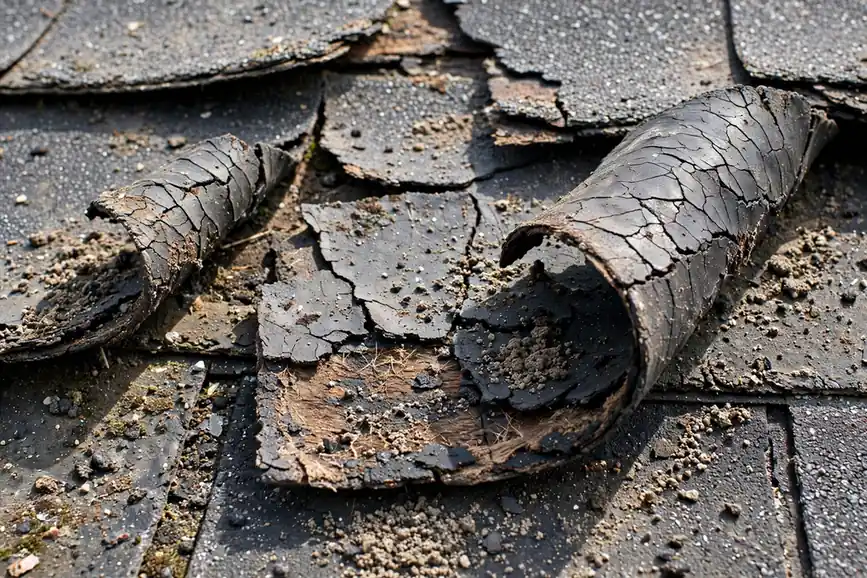
1. Curling, cupping, or clawing shingles
When shingle edges turn up or the centers bubble, the asphalt is drying out and the shingle is losing its ability to shed water. In Brea's hot, dry summers and Santa Ana wind events, this aging accelerates — curled shingles are past their prime.
2. Granule loss and bald spots
Those sand-like granules protect the asphalt from UV. Check your gutters: heavy granule buildup means the shingles are thinning. Bald spots are shingles on borrowed time.
3. Cracked, missing, or wind-lifted shingles
A few missing shingles after a storm can be repaired. Widespread lifting or cracking across slopes means the fastening system is failing and replacement is the economical fix.
4. Daylight or water stains in the attic
Go into the attic on a sunny day. Pinpoints of daylight mean holes; dark staining on the deck means active or past leaks. Either way, the roofing system is compromised.
5. Sagging roof planes
A sagging deck indicates structural or sheathing damage — often from long-term moisture. This needs professional assessment promptly, not next season.
6. Moss, algae, and persistent staining
In Brea's damp microclimates, biological growth holds moisture against the shingles and accelerates decay. Some staining is cosmetic; widespread colonization is not.
7. Age: the calendar does not lie
Three-tab shingles last 15-20 years here; architectural shingles 20-30. If your roof is past its material's expected life, start planning the replacement on your schedule instead of the roof's.
Related Services
Areas We Serve
More Guides
How Much Does Roof Replacement Cost in Brea?
Guide from Roof Replacement Specialists.
Roof Repair vs. Replacement: How Brea Homeowners Should Decide
Guide from Roof Replacement Specialists.
Reading your roof from the ground
You can learn a lot without a ladder: missing or curled shingles, dark streaks, moss on north slopes, granule piles where downspouts discharge, and sagging between rafters. From inside the attic with a flashlight: daylight through boards, water stains on the deck or rafters, and damp insulation. Any one of these deserves a free professional inspection — the inspection distinguishes 'monitor' from 'act' with evidence.
The age math for Brea roofs
Architectural shingles: plan around 25–30 years in Brea's heat (less with poor ventilation). Three-tab: 15–20. Tile: the tiles outlive the 20–25-year underlayment. Flat membranes: 20–30. If your roof is within five years of its expected end and showing any sign above, you are not deciding whether to replace — you are deciding whether to plan it or be surprised by it.
The attic check you can do yourself
Grab a flashlight and look at the underside of the deck: water stains, dark streaks, daylight through cracks, and sagging between rafters are all visible from inside. Check around vent pipes and chimneys first — that is where leaks start. This five-minute check tells you more than staring at shingles from the driveway, and it is what we do first on every inspection too.
The neighbor test
In Brea's tract neighborhoods, homes were built — and roofed — together. When three neighbors on your street have replaced their roofs, yours is on the same clock whether it shows it or not. Ask a neighbor what their inspection found; the answer is often a preview of your own roof's report. Tract roofs age as a cohort — the street is the most honest timeline you have.
Frequently Asked Questions
My roof is 22 years old but looks okay. Should I replace it?
Get an inspection. Some 22-year-old roofs have five good years left; others are one storm from failure. An honest assessment beats guessing — we will tell you which one yours is.
Can I just repair the bad spots?
Spot repairs make sense when damage is truly localized and the roof is mid-life. When the warning signs are widespread, repairs become a subscription you keep paying until the inevitable replacement.
My roof is not leaking. Can replacement wait?
Maybe — and the inspection will tell you honestly. A roof with years of service life left and no active issues gets a 'monitor' verdict with a recheck timeline. But 'not leaking' is not 'healthy': by the time a roof leaks, the deck damage is already done. The free inspection is how you know which one you have.
Are dark streaks just cosmetic?
Mostly — they are algae feeding on the limestone filler in shingles, ugly but not structurally urgent. But they signal a roof old enough for algae to colonize, which usually means it is old enough for the inspection to matter. Algae-resistant shingles on the replacement end the streaks permanently.
My roof looks fine from the street. Could it still need replacement?
Easily. The wear that matters — granule loss, brittle seal strips, underlayment aging — is invisible from the curb. We regularly replace roofs that photograph beautifully and fail inspection: Brea's UV ages the waterproofing layers you cannot see while the surface keeps up appearances. The inspection, not the view, decides.
How often should I have my roof inspected?
Every two to three years after the ten-year mark, and after every major Santa Ana wind event regardless of age. The inspection is free, takes under an hour, and produces photos and a written assessment — the cheapest information in homeownership.