
Roof Replacement in Carbon Canyon, Brea, CA
In short: In short: this page covers roof replacement in Carbon Canyon, Brea, CA 92823 — canyon homes where Class A fire-rated roofing is the priority, not an option. Santa Ana winds funnel through the canyon and wildfire exposure is real. First step: a free inspection with a fire-rating assessment of your current roof.
| Area | Carbon Canyon, Brea, CA |
|---|---|
| ZIP code | 92823 |
| Housing | Canyon corridor along CA-142; ranch homes, equestrian properties, manufactured homes; older comp/metal roofs |
| Key routes | CA-142 (Carbon Canyon Rd) — sole arterial; near Carbon Canyon Regional Park |
Canyon living on the wildfire-adjacent east side. Ember-resistant materials and Class A fire-rated assemblies are a smart priority for replacements here.
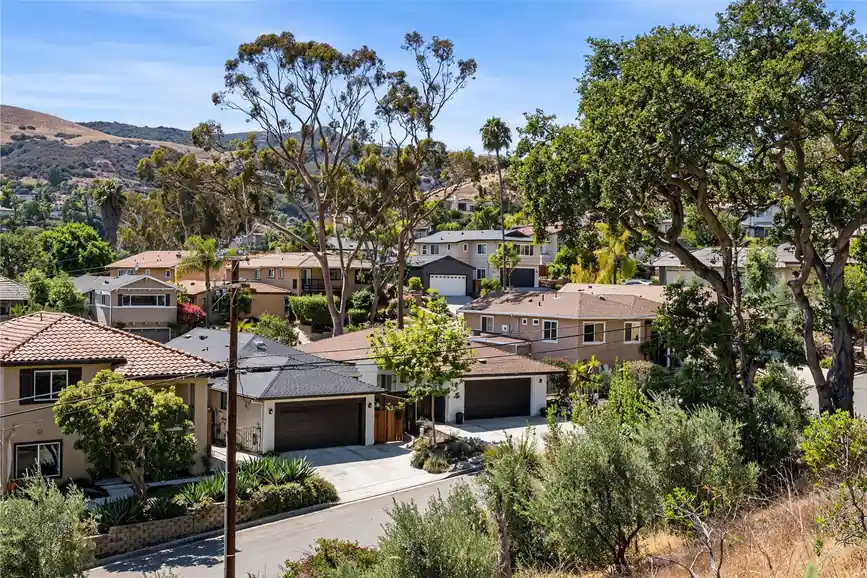
Roofing Needs in Carbon Canyon, CA 92823
Brea's heat and Santa Ana winds take a steady toll on roofs across Carbon Canyon. Homes here typically wear architectural asphalt shingles dominate older tracts, while concrete tile is common in newer hillside communities — and intense UV exposure and wind mean small issues escalate fast. Our free inspection documents everything with photos.
Replacement Services Available in Carbon Canyon
- Emergency Roof Replacement
- Partial Roof Replacement
- Energy-Efficient Cool Roof Replacement
- Skylight Replacement During Reroof
- Roof Ventilation Upgrade
- Asphalt Shingle Roof Replacement
Specialty Roofing Services in Carbon Canyon
- Asphalt Shingle Roof Replacement in Carbon Canyon
- Emergency Roof Replacement in Carbon Canyon
- Energy-Efficient Cool Roof Replacement in Carbon Canyon
- Flat Roof Replacement (TPO & EPDM) in Carbon Canyon
- Insurance Claim Roof Replacement in Carbon Canyon
- Metal Roof Replacement in Carbon Canyon
- Partial Roof Replacement in Carbon Canyon
- Roof Tear-Off & Redecking in Carbon Canyon
- Roof Ventilation Upgrade in Carbon Canyon
- Skylight Replacement During Reroof in Carbon Canyon
- Storm Damage Roof Replacement in Carbon Canyon
- Tile Roof Replacement in Carbon Canyon
Nearby Areas We Also Serve
Olinda Ranch
Roof replacement in Olinda Ranch, Brea.
Downtown Brea
Roof replacement in Downtown Brea, Brea.
Birch Hills
Roof replacement in Birch Hills, Brea.
Country Hills
Roof replacement in Country Hills, Brea.
Helpful Guides
Best Roofing Materials for Brea Homes, Compared Honestly
Guide from Roof Replacement Specialists.
Asphalt vs. Metal Roof in Brea: Which Is Right for Your Home?
Guide from Roof Replacement Specialists.
Roofing reality in Carbon Canyon
Carbon Canyon is Brea's wild edge — a canyon corridor along CA-142 with ranch homes, equestrian properties, and manufactured-home communities like Hollydale, all set in terrain that funnels Santa Ana winds and carries genuine wildfire exposure. Roofing here is decided by fire first and everything else second. Many canyon roofs are older composition or metal systems with deferred maintenance: lifted edges the wind has been working for years, dried sealant, and vents without ember screening. In a wind-driven fire event, the roof is where embers land — and an unprotected roof is how canyon homes are lost.
What a Carbon Canyon replacement involves
Every replacement we scope here starts from a Class A fire-rated assembly: Class A shingles, metal, or tile, with the underlayment and assembly tested as a system. Ember-resistant detailing is the difference between a rating on paper and protection in practice — we screen or replace vents with ember-resistant models, seal eave gaps, and use metal edge terminations instead of exposed combustible edges. Wind detailing gets the same priority: high-wind nailing patterns and enhanced ridge adhesion, because the canyon amplifies every gust. Access planning matters too — CA-142 is the sole arterial, so material delivery and dumpster staging are scheduled around canyon traffic realities.
Cost and timing for Carbon Canyon homes
Fire-rated assemblies cost modestly more than standard — the upgrade is in the details (vents, edges, underlayment) more than the field material. What costs more is deferred maintenance: canyon roofs we open often need extensive redecking where years of minor leaks went unaddressed. We price the fire detailing as visible line items, not buried markup, and the inspection includes a written fire-rating assessment of your current roof so you know your exposure before you decide.
Defensible space starts at the roof
Fire agencies talk about defensible space in zones — and Zone Zero, the first five feet around the home, includes the roof. In Carbon Canyon that means: Class A assembly, ember-resistant vents, sealed eaves, metal edge terminations, and valleys kept clear of pine needles and oak litter. A roof built to these details does not just survive ember storms better — it is also what insurers increasingly require in canyon-adjacent zones. We document the fire detailing in your scope so the protection is verifiable, not just claimed.
Scheduling around canyon realities
CA-142 is the only way in and out, so we schedule material deliveries and dumpster swaps around canyon traffic patterns — early mornings, never Friday afternoons. Emergency calls get priority routing with the same discipline: when water is entering or a wind event has torn the roof, the crew rolls with the dry-in kit regardless of the hour. Canyon logistics are planned, not improvised.
Post-fire-season roof review
After every fire season, Carbon Canyon roofs deserve a review: ember exposure stresses sealants and dries out flashing compounds, and ash accumulation in valleys holds moisture against the system. The post-season check clears the valleys, inspects the fire detailing, and documents the roof's condition for your insurer — a documented, maintained roof is a more insurable roof in canyon-adjacent zones.
Frequently Asked Questions
Do you replace roofs in Carbon Canyon?
Yes — Roof Replacement Specialists regularly completes roof replacements throughout Carbon Canyon and the wider Brea area. Call (888) 974-0663 for a free on-site estimate.
How much does roof replacement cost in Carbon Canyon?
Pricing in Carbon Canyon follows Brea-wide rates: architectural shingle replacement typically runs $9,000 to $15,000 for an average home, depending on size, pitch, and deck condition.
What does Class A fire rating actually mean?
It is the highest fire rating for a roof covering, tested against burning brands, flame spread, and intermittent flame as a complete assembly. But the rating only counts as installed — the vents, eaves, and edges matter as much as the shingles. Our Carbon Canyon scopes are Class A assemblies, not just Class A shingles with unprotected vents.
Are ember-resistant vents really necessary?
In the canyon, yes. Most homes lost in wind-driven fires ignite from embers entering vents, not from flame contact. Ember-resistant vents use fine mesh and baffled designs that block ember intrusion while preserving airflow. It is a small line item with an outsized role in whether your home survives a fire event.
How does the canyon wind change the installation?
We build for gusts the canyon amplifies: six-nail high-wind patterns on every shingle slope, enhanced sealant on starters and ridges, hand-sealed rake edges, and metal edge terminations that wind cannot peel. Standard nailing patterns that survive in flatland tracts fail in the canyon — so we do not use them here.